Independent, licensed Rain Bird service for homes and commercial properties, from the family-owned team based right here in Ponte Vedra. We diagnose it, fix what can be fixed, replace what can’t, and program it for your watering days — backed by our 2-year warranty on parts and labor.
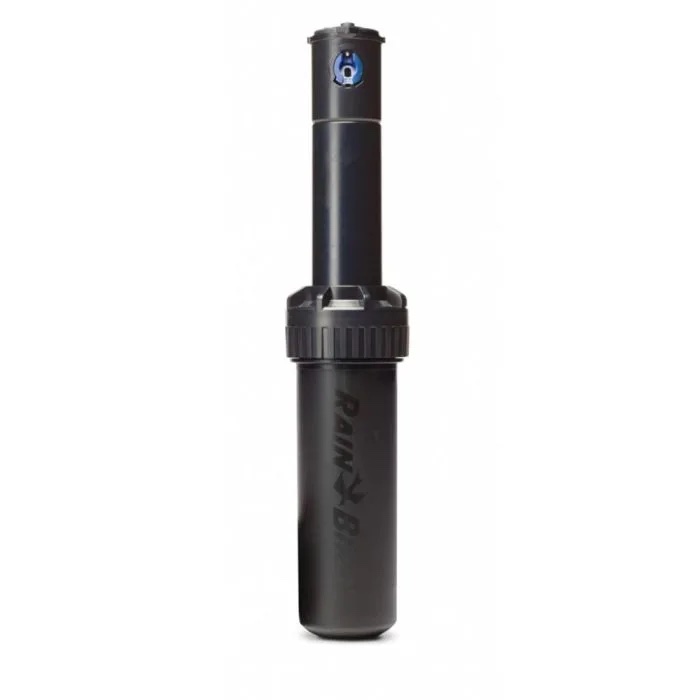
Independent service for Rain Bird products. Aqua Premier is not affiliated with or authorized by Rain Bird; the Rain Bird name and logo are trademarks of their owner and are used here only to identify the equipment we service.
33 Rain Bird products with specs, 13 troubleshooting cases, 13 controller error messages, 8 how-to procedures, and answers to 16 questions people search for — residential and commercial.
Overview only — the full Rain Bird product guide with specs is below. Don’t see yours? Call us — if it waters a lawn, we’ve probably had it apart.
Residential and commercial Rain Bird equipment, with the numbers that matter when something stops working. Specs are summarized from Rain Bird’s own product pages and manuals. We install, repair and program all of it on homes, HOA common areas, office parks and churches across St. Johns and Duval County.
Fixed-station residential/light-commercial controller sold in 4, 6, 8 and 12-station indoor/outdoor models with a factory-installed 6 ft power cord.
Specs: 3 programs x 4 start times (12 total); run time 1 min-6 hr; Seasonal Adjust 5-200%; Delay Watering up to 14 days; custom/odd/even/cyclic (1-30 days); 120 VAC in, 1 A @ 24 VAC out; one solenoid per station plus master valve/pump-start; non-volatile memory + 10-year lithium clock battery; 7.92 x 7.86 x 3.51 in; UL/cUL/FCC, IP24; WaterSense with LNK WiFi + WR2; models TM2-4/6/8/12-120V.
Tech note: Only normally-closed rain sensors; a yellow jumper must stay on the SENS terminals if no sensor is wired or the controller will not run. Automatic short detect shows a station-specific message and skips that station. RESET button keeps the schedule; 'Reset to Factory Defaults' (hold left+right arrows 3 s on a dial position) erases it. LNK/LNK2 compatible when made after 2 Nov 2016 (look for the WiFi symbol).
Modular residential/light-commercial controller with a 4-station base that expands to 22 stations with hot-swappable modules and built-in flow-sensing.
Specs: 4 programs x 6 start times (24 total); run time 1 min-6 hr; Seasonal Adjust 5-200% global or per program; rain delay up to 14 days; interstation delay 1 s-9 hr; expansion ESPSM3 (3-station) and ESPSM6 (6-station); FG100 wired flow sensor; 120 VAC/0.3 A in, 25.5 VAC/1 A out; MV/pump start 24 VAC (11 VA inrush, 5 VA holding); 10.7 x 7.7 x 4.4 in; max 149 F; non-volatile memory + 10-year lithium clock battery; 9 V battery allows detached programming of the front panel.
Tech note: Alarm LED + display messages for programming errors (blinking) and electrical shorts/flow alarms (solid). RESET button keeps programming; factory reset is a Special Feature (hold left+right arrows). Modules install without powering down; stations become available about 30 s after a module is inserted; 6-station modules fit ESP-ME3/ESP-Me only, not the old ESP-M. Station-level rain-sensor and master-valve settings.
The predecessor to the ESP-ME3: a 4-to-22-station modular controller that uses the same ESPSM3/ESPSM6 modules and the LNK WiFi module.
Specs: 4 programs x 6 start times; run time 1 min-6 hr; Seasonal Adjust 5-200%; delay watering up to 14 days; 120 VAC/0.3 A in, 25.5 VAC/1 A out; 10.7 x 7.7 x 4.4 in; max 149 F; non-volatile memory + 10-year lithium clock battery; short detection with LED alert; Contractor Default save/restore.
Tech note: Front-panel date code format like '02 JL 17'; LNK/LNK2 only on units built after 2 Nov 2016 with the WiFi symbol. Same modules as ESP-ME3, so a dead ESP-Me front panel can often be replaced in the existing cabinet rather than rewiring.
Zone-based controller (each zone has its own run time, start times and days instead of programs) sold as 4, 6 or 8-zone indoor or outdoor models; the RZXe is currently marketed as an international 230 V product while 120 V RZX models (RZX4/6/8 and RZX4I/6I/8I) exist in the field.
Specs: 6 start times per zone; run time 1-199 min; custom/odd/even/cyclic (every 1-14 days); Seasonal Adjust -90% to +100%; Contractor Rapid Programming copies zone 1 to all zones; 24 VAC/650 mA output; two AAA batteries keep date/time; non-volatile program memory; electronic diagnostic circuit breaker; indoor 6.65 x 6.40 x 1.54 in, outdoor 7.92 x 7.86 x 3.51 in.
Tech note: Shows the zone number and 'Err' when a zone output is shorted and moves on to the next zone. Rain-sensor bypass for all zones: press AUTO, then press BACK and NEXT together to toggle OBEY/IGNORE (cannot be changed while watering). Reset button keeps schedules but date/time must be re-set. Reverts to AUTO after 10 min with no key presses unless OFF was pressed.
Older homeowner-grade zone-by-zone timers in 6 or 12-zone indoor or indoor/outdoor versions, still documented on rainbird.com with 2011-2015 manuals.
Specs: Up to 4 start times per zone; custom days, odd/even or every-N-days per zone; rain sensor and master valve/pump start relay supported; 120 VAC in, 25.5 VAC/1 A out; settings stored without a backup battery; 9.5 x 8.75 x 4 in.
Tech note: The dial must be returned to AUTO RUN or the timer will not run automatically. Rain Bird notes the WR2-48 sensor is not compatible with SST600s/SST1200s. Commonly replaced with an ESP-TM2 when they fail.
Battery-powered 1, 2 or 6-zone (4-zone international) controller that installs in a valve box where there is no AC power.
Specs: At least 2 years on two 9 V alkaline batteries (1 year on one); IP68; 6 start times per zone; run time 1-240 min; custom/cyclic (1-30 days)/odd/even; Seasonal Adjust 10-200% in 10% steps; delay watering 1-9 days; master valve/pump-start circuit on multi-zone units; dry-contact sensor input with bypass; 5-year warranty; models ESP9V1, ESP9V2, ESP9V6, ESP9V1SOL (with 9 V solenoid), ESP9VDVFKT (with 1 in DVF valve).
Tech note: Only operates valves fitted with a 9 V potted latching solenoid (sold separately), so a standard 24 VAC solenoid must be swapped. Date code on the unit, e.g. '04 FE 22'.
Commercial-grade buriable battery controllers in 1, 2, 4 and 6-station modules for sites without AC power.
Specs: One 9 V alkaline battery (about 1 year); IP-68 case; station run times 1 min-12 hr; 365-day calendar; Seasonal Adjust; master valve output; requires a separate TBOS Field Transmitter to program (TBOS-II modules do not work with the TBOS-I transmitter).
Tech note: Uses the Rain Bird TBOS latching solenoid, which fits DV/DVF, PGA and PEB/PESB valves; the Bluetooth TBOS-BT line has been discontinued and replaced by ESP-BAT-BT.
Modular commercial controller with a 12-station base expandable to 48 stations with 12-station modules; the PRO adds a flow-sensor input, FloWatch and a second programmable pump/master-valve output.
Specs: 40 independent programs x 10 start times; Seasonal Adjust 0-300%; station run time up to 96 hr continuous (16 hr max under seasonal adjust); Cycle+Soak by station; up to 5 SimulStations (max 2 per module); FloManager hydraulic management; FloWatch high/low flow (PRO); 10 kV surge protection; 120 VAC in, 26.5 VAC/1.9 A out; 6 languages; 14.32 x 12.69 x 5.50 in; models ESPLXME2, ESPLXME2P, PSMLXME2 (Pro Smart Module upgrade), ESPLXMSM12 modules.
Tech note: Only 12-station modules are supported (4 and 8-station LXME modules are not); existing LXME cabinets/wiring and 12-station modules can stay, and an LXME faceplate can be swapped for the LXME2FP. LNK2 is supported for app control. Extended warranties (2- and 5-year bundles) are sold through the Rain Bird services store.
Plug-in module that adds app control, weather-based adjustment, Forecasted Rain Delay, alerts and sharing to compatible Rain Bird controllers via the free Rain Bird 2.0 app.
Specs: Compatible with ESP-TM2, ESP-RZXe, ESP-ME3 and ESP-Me made after 2 Nov 2016 (WiFi symbol on the panel), ST8, ESP-2Wire, and LXME2/LXME2 Pro/LXIVM; 2.4 GHz WiFi only (WEP/WPA); app Android 2.17.12 (392)+ / iOS 2.18.9 (2)+; Alexa and Google Assistant in North America; makes TM2/ME3 EPA WaterSense smart controllers when paired with a WR2 sensor.
Tech note: Light cues: blue blink = QuickPair/ready for setup; alternating red/green = hotspot mode; green blink every 2 s or solid green = connected to the cloud; red blink every 2 s = lost WiFi/edge of signal; solid red = not communicating with the controller (reseat module, press controller RESET, wait 3 s, reinsert; then factory-reset the module). Hold the module button more than 5 s to erase WiFi settings (schedules are kept). Guest networks that require accepting terms, open networks with no password, and 5 GHz networks will not work. App RSSI worse than about -70 means a range extender is needed.
Earlier 8-zone zone-based WiFi timer (indoor and outdoor versions) with a built-in LNK-type WiFi module in the accessory port; Rain Bird still hosts its support page and manuals.
Specs: Up to 6 start times per zone; run time 1-199 min; custom/odd/even/cyclic days; Seasonal Adjust -90% to +100%; rain delay up to 14 days; Copy Zone to Zone; two AAA backup batteries for date/time; non-volatile schedule memory; master valve/pump-start terminal; SENS terminals with yellow jumper; 2.4 GHz WiFi; outdoor model has internal 120 VAC transformer and 6 ft cord.
Tech note: Shows zone number + 'Err' on a shorted zone; a stop/OFF icon with a number means Rain Delay (press - until 0 or clear it in the app), without a number means the timer is OFF (press AUTO). If 'Use Weather Correction Data' is on in the app, a seasonal-adjust change made at the timer only lasts one day. The timer will not run if the SENS jumper is removed without a sensor.
Rain Bird's main residential/commercial gear-drive rotor, in 4, 6 and 12 in pop-up and shrub versions, with Rain Curtain nozzles and optional PRS (45 psi regulator), SAM check valve, Plus flow shut-off and stainless riser.
Specs: Radius 25-50 ft (reducible up to 25% with the radius screw); 25-65 psi; 0.76-9.63 gpm; precipitation 0.20-1.50 in/hr; arc 40-360 reversing (PC) or non-reversing full circle (FC); nozzle tree of 8 standard (25 deg) + 4 low-angle (10 deg) Rain Curtain nozzles, MPR nozzles optional; SAM holds 7 ft of elevation; PRS regulates to 45 psi; 1/2 in NPT inlet (3/4 in on 5012); body height 4 in = 7-3/8 in, 6 in = 9-5/8 in, 12 in = 16-7/8 in; MWELO 0.65 DU; 5-year trade warranty.
Tech note: Arc is set from the top with a flat-blade screwdriver: one full turn = 90 deg, factory 180 deg, ratcheting sound at the 40/360 limits. Nozzle is held by the radius-adjustment (retention) screw; the nozzle ID plug on top shows the size. The '+' models (green top) have a flow shut-off slot (180 deg clockwise stops water) so a single head can be worked on with the zone running. Date code stamped on the body, e.g. '23 NO 18'. Rain Bird's own guidance is that heads that pop up and spray but do not turn are generally replaced with the same model/nozzle rather than rebuilt.
Short-to-mid-range 1/2 in gear-drive rotor for smaller lawns.
Specs: Radius 15-35 ft (reducible up to 25%); 25-55 psi; 0.54-4.6 gpm; precipitation 0.37-0.83 in/hr; arc 40-360 reversing; nozzle tree with six Rain Curtain nozzles (25 deg); 4 in pop-up; SAM holds 7 ft; 1/2 in NPT female inlet; 3-year factory warranty.
Tech note: Top arc adjustment with a flat-blade screwdriver, removable filter screen and nozzle-removal feature; date code on body like '16 JA 17'.
Retail-channel 4 in heavy-duty gear-drive rotor with a 3/4 in inlet and a pre-installed 3.0 gpm Rain Curtain nozzle.
Specs: Radius 26-38 ft; 45-55 psi typical; arc 40-360 (factory 180 deg); 3/4 in NPT female bottom inlet; true 4 in pop-up; top arc adjustment with a flat-blade screwdriver; radius screw reduces throw up to 35% without changing nozzles.
Tech note: Sold through the Rain Bird online store/retail; the store's limited warranty is a refund to the original purchaser rather than the 5-year trade warranty.
Retail-channel 4 in closed-case gear-drive rotor with a 1/2 in inlet for smaller lawns.
Specs: Radius 19-32 ft; 25-55 psi; arc 40-360; pre-installed 3.0 gpm nozzle (32SANZLPK nozzle tree sold separately); 1/2 in female bottom inlet; 4 in pop-up; SAM version holds 7 ft; NP version has a purple non-potable cap.
Tech note: Installs on a standard 1/2 in riser as a drop-in for older rotors; self-flushes at pop-down.
Pop-up impact rotor in a closed case, chosen for dirty or well water because of its straight-through flow.
Specs: Radius 22-45 ft (down to 18 ft with the reduction screw); 25-60 psi; 1.5-8.4 gpm; precipitation 0.28-1.21 in/hr; 360 deg full circle or 20-340 deg adjustable; 3 in pop-up; nozzles 06 red, 07 black, 08 blue, 10 yellow, 12 beige (23 deg) and 07LA/10LA low angle (11 deg); combination 1/2 in or 3/4 in bottom inlet plus 1/2 in side inlet; 3-year warranty.
Tech note: Impacts are water-lubricated: never apply oil, WD-40, silicone or pipe dope (it attracts grit and ruins the bearing washers). The arm spring must be in the 'A' notch for 08/10/12 or 10LA nozzles and the 'B' notch for the smaller nozzles or it will not trip properly. Date code is on the body near the radius-reduction screw.
Rain Bird's standard pop-up spray body, in 2, 4, 6 and 12 in pop-up heights with optional built-in check valve (SAM) and in-stem pressure regulation (PRS-30 at 30 psi or P45 at 45 psi for rotary nozzles).
Specs: Operating 15-70 psi; spacing 2.5-15 ft with spray nozzles, 8-24 ft with rotary nozzles; PRS outlet 30 psi or 45 psi regardless of nozzle; SAM holds 14 ft (6 psi) of elevation; flow-by 0 gpm at 8 psi or more; 1/2 in NPT female bottom inlet (side inlet on 1806/1812 non-SAM models); body height 1804 = 6 in, 1806 = 9-3/8 in, 1812 = 16 in; 2-1/4 in cap diameter; PRS models WaterSense certified; 5-year trade warranty.
Tech note: Accepts MPR, VAN, HE-VAN, U-Series, SQ and R-VAN nozzles; put R-VAN rotary nozzles on P45 bodies and spray nozzles on PRS-30 bodies. Blow-by (leak at the stem) is usually grit in the wiper seal; Rain Bird's fix is to step lightly on the stem while running to flush it, and replace the cap if it persists. 1804 date code is on top of the cover as a quarter letter + year (A/D/G/K = Q1-Q4, e.g. 'D 10').
Internal assembly that drops into an existing 1804 spray body (store listing also names 1806/1812) to convert a spray zone into a 30 psi regulated, filtered drip supply point.
Specs: 0.5-6 gpm; inlet 15-70 psi, regulated to 30 psi; 200-mesh (75 micron) stainless screen (replacement RBY-200SSMX); 1/2 in FPT inlet, 1/2 in MPT swivel outlet; ships with 1/2 in FPT x barb elbow and tee fittings; cap 2.25 in, body 1.5 in.
Tech note: Remaining spray heads on the converted zone must be capped or converted; the Planter Bed kit bundles it with XFD 0.6 gph/12 in dripline.
Hand-adjustable rotary stream nozzles that screw onto 1800 bodies for larger droplets and lower precipitation rates than sprays.
Specs: R-VAN14 8-14 ft, R-VAN18 13-18 ft, R-VAN24 17-24 ft; 45-270 deg adjustable or 360 deg fixed; R-VAN-LCS/RCS 5 x 15 ft corner strips, R-VAN-SST 5 x 30 ft side strip; 30-55 psi, 45 psi recommended; flow about 0.28-1.17 gpm (14), 0.42-1.62 gpm (18), 0.60-2.88 gpm (24) adjustable-arc; MWELO 0.65 DU; date code on the nozzle like '10AU12'.
Tech note: Arc and radius adjust by hand while water is running, no tool; do not reduce below the minimum radius (8/13/17 ft). Pair with 1800 PRS-45/P45 bodies so they run at 45 psi; a 30 psi PRS body will under-throw them.
Matched-precipitation fixed-arc nozzles (full/half/quarter and strips) that fit all Rain Bird spray heads and shrub adapters.
Specs: Spacing 5-15 ft; 15-30 psi, optimum 30 psi; color tops: 5 red, 8 green, 10 blue, 12 brown, 15 black (bubbler gray); stainless radius/flow adjustment screw; ships with the 1800 white filter screen (5 and 8 Series with blue fine-mesh screens); matched precipitation with HE-VAN and U-Series nozzles.
Tech note: Radius reduction over 25% is not recommended; a clogged screen under the nozzle is the first thing to check when the pattern is wrong.
Twist-to-set adjustable-arc spray nozzles in 4, 6, 8, 10, 12, 15 and 18 ft radii.
Specs: Arc 0-330 deg (4/6/8VAN) or 0-360 deg (10/12/15/18VAN); spacing 3-18 ft; 15-30 psi, optimum 30 psi; 12/15/18VAN matched to MPR nozzles; blue filter screen included; fits all Rain Bird sprays and shrub adapters; 3-year trade warranty.
Tech note: Arc is set by twisting the center collar with no tools; radius with the top screw.
Newer adjustable-arc spray nozzle with heavier streams and better edge coverage than the VAN; Rain Bird claims run times up to 35% shorter.
Specs: HE-VAN-08 6-8 ft, -10 8-10 ft, -12 10-12 ft, -15 12-15 ft; arc 0-360 deg by twisting the collar; spacing 6-15 ft; 15-30 psi, optimum 30 psi; radius screw reduces throw up to 25%; matched precipitation with MPR and U-Series so all three can share a zone.
Tech note: Direct replacement for VAN nozzles on 1800 bodies and most other brands' spray heads.
Fixed-arc nozzle with a second orifice for close-in watering around the head.
Specs: 8-15 ft radii in full, half and quarter patterns; matched precipitation with MPR and HE-VAN; Rain Bird claims up to 30% less water than standard sprays; 5-year trade warranty.
Tech note: Fixes dry rings right around spray heads without changing bodies.
Rain Bird's most common residential in-line diaphragm valve; DVF adds flow control.
Specs: 3/4 in (075-DV) 0.2-22 gpm; 1 in (100-DV/DVF) 0.2-40 gpm; 15-150 psi; water to 110 F; 24 VAC solenoid 38 ohm, 0.450 A inrush, 0.25 A holding; Buna-N balanced diaphragm; self-cleaning 90-mesh pilot filter; internal bleed (spray-free manual on) and external bleed; NPT, slip x slip, male x barb and angle bodies; accepts TBOS latching solenoid; 5-year trade warranty.
Tech note: Install a 200-mesh filter upstream for drip or flows under 3 gpm; not recommended on 2-wire systems and cannot take a PRS module. Replacement solenoid 20858801, diaphragm 21074603. Date code stamped on the body like '23 JN 10 D' (D = product line). Arrows must point with the flow; a backwards valve becomes 'an expensive coupling'.
Older jar-top residential in-line valve still common in the field; no current product page, but parts are listed.
Specs: 3/4 in and 1 in (JTV-AS/F/B-075/100); replacement solenoid B60599 (shared with CP/CPF/ASVF), diaphragm B36330; date code format 'C 06 DC 09 B'.
Tech note: Rain Bird lists DV, JTV and HV residential valves as not compatible with the ESP-LXIVM 2-wire system. Jar-top lids are hand-tightened; do not use pipe dope.
Retail-channel residential/light-commercial in-line valve with a reverse-flow design; CPF adds a top-mounted flow-control knob.
Specs: 3/4 in 0.2-22 gpm; 1 in 0.2-40 gpm; 15-150 psi; water 40-110 F; 24 VAC solenoid 0.41 A inrush, 0.14 A holding, 30-39 ohm; Buna-N diaphragm; external bleed screw; female threads (use MPT adapters with PTFE tape).
Tech note: Reverse-flow design stays closed if the diaphragm fails; Rain Bird says to flush through the bleed screw for one minute at start-up. Solenoid B60599, diaphragm B60488.
DVF angle valve with an integral atmospheric vacuum breaker for above-ground manifolds where local code allows anti-siphon backflow protection.
Specs: 3/4 in 0.2-22 gpm; 1 in 0.2-40 gpm; 15-150 psi; 24 VAC 38 ohm, 0.450 A inrush, 0.250 A holding; 6-1/4 x 6-1/10 x 3-1/5 in; IAPMO/ASSE listed; 5-year trade warranty.
Tech note: Must be upright and at least 6 in above the highest head it serves, with no valve downstream, and not under pressure more than 12 hours in any 24; not for 2-wire systems or PRS modules.
Light-commercial plastic globe/angle valve in 1, 1-1/2 and 2 in sizes with flow control and optional PRS-D pressure regulation.
Specs: 15-150 psi; 2-150 gpm (5-150 gpm with PRS-D); water to 110 F; 24 VAC 0.41 A inrush (9.9 VA), 0.14 A holding (3.43 VA), 30-39 ohm; slow closing; manual internal bleed; filtered pilot flow; latching-solenoid option for battery controllers; 3-year trade warranty; date code like '21 AP 09 B'.
Tech note: Internal bleed lets the regulator be adjusted without flooding the box; one-piece captured-plunger solenoid so parts are not lost during service.
Rain Bird's heaviest plastic commercial valve (glass-filled nylon with stainless studs); PESB adds a self-cleaning scrubber screen for dirty water.
Specs: 1, 1-1/2, 2 in (3 in PESB); 20-200 psi; 0.25-300 gpm (5-300 with PRS-D); water to 150 F; 24 VAC 0.41 A inrush, 0.14 A holding; flow control handle; internal and external bleed; PRS-D option up to 100 psi; latching-solenoid option; 5-year trade warranty; date code like '20 AP 09 B' (remove the SCRUBBER label on 1 in models to see it).
Tech note: Rain Bird recommends the external bleed flush at start-up and after every repair; purple NP handles available for reclaimed water.
Expanding-disk rain shutoff that interrupts a normally-closed sensor port or the valve common; BEx has a 5 in latching aluminum bracket, CEx a 1/2 in conduit adapter, CPRSDBEX is the retail-packaged bracket version.
Specs: Rainfall setting 1/8-3/4 in by dial; vent ring adjusts drying time; 25 ft of #20 two-conductor UV wire; switch 3 A @ 125/250 VAC; up to ten 24 VAC 7 VA solenoids per station plus a master valve; UL/cUL/CE; works with any brand controller with a normally-closed sensor input (store lists SST, ST8, TRU, ARC, RC2, ESP-TM2, ESP-ME3).
Tech note: Not for high-voltage pump-start circuits. A stuck/wet sensor is the most common reason a Rain Bird controller 'will not water'; set the controller to BYPASS/SENS OFF to prove it.
Wireless sensor plus a controller-side interface that sets rain and freeze thresholds at the controller; the WR2-48 adds an automatic 48-hour shutoff.
Specs: 916 MHz (868 MHz international); 700 ft line of sight; battery 4+ years (replacement 651009S, disk assembly 637810S); rainfall 1/8-1/2 in; freeze 33-41 F; 'Quick Shut Off' stops an active cycle in about 2 min; modes Programmed / suspend 72 h / override 72 h; up to six 24 VAC 7 VA solenoids plus MV or pump start up to 53 VA; 30 in of #22 interface wire; 6 kV surge protection.
Tech note: WR2-48 is not compatible with ESP-SMT/SMTe, SST600s or SST1200s. A WR2 is what makes an ESP-TM2/ME3 + LNK WiFi combination EPA WaterSense certified.
17 mm pressure-compensating inline-emitter dripline family: XFD on-surface, XFS with Copper Shield for subsurface, XFCV with a 3.5 psi check valve (8 ft holdback), XFS-CV with Copper Shield plus a 4.3 psi check valve (10 ft holdback), XFDe for the longest runs.
Specs: XFS-CV: 0.4, 0.6 and 0.9 gph emitters; 12 in and 18 in spacing; 100/250/500 ft coils; 20-60 psi (opening 14.5 psi); 120-mesh filtration; 0.634 in OD / 0.536 in ID; purple and purple-stripe versions for reclaimed water; all accept XF/17 mm barbed insert fittings; XF dripline 5-year trade warranty with 7 years on environmental stress cracking; XFS-CV 16-year limited root-intrusion warranty when used with Rain Bird fittings, filters, regulators and control valves.
Tech note: A drip zone needs a filter and 30 psi regulation upstream (XCZ control-zone kits or the PRF-RBY combo); check-valve driplines stop the low-point puddling and line recharge that plain XFD shows on slopes.
Rain Bird's handheld maintenance remote that plugs into the 5-pin accessory port of ESP-TM2/ESP-ME3 controllers through a receiver harness (USA/Canada).
Specs: Listed as a compatible accessory on the ESP-TM2 tech spec and ESP-ME3 manual (LIMR Receiver Quick Connect harness in the accessory port).
Tech note: Manual watering can be started from the remote or app even when the ESP-ME3 dial is at OFF.
Flat-blade/pull-up tool bundled with 32SA and 42SA rotor packs for lifting the riser and turning the arc and radius screws.
Specs: Rain Bird store bundles '4-Pack of 32SA (or 42SA+) Rotors and Pull-up & Adjustment Tool'.
Tech note: Any flat-blade screwdriver works on 5000/3500/42SA/32SA arc and radius slots.
The symptoms we hear on the phone most, what is usually behind them, and how our technicians handle each one.
What we do: Clean the screen and nozzle (water, air or a soft brush only), check pressure at the head, try the arc through its range; a closed-case gear drive that still will not turn is replaced with the same model and nozzle, since Rain Bird's own troubleshooting center routes a non-turning rotor to replacement.
What we do: Turn the flow control down on a DVF/CPF valve or install a regulator, or swap to 1800 PRS-30 bodies (PRS-45 for R-VAN) so each head regulates itself.
What we do: Step lightly on the stem while the zone is running to flush the seal; if it keeps leaking, replace the cap/seal or the body (1800 bodies are cheap enough to swap whole).
What we do: Check zone-valve flow control and the shutoff/backflow valves, meter pressure at a head, look for a leak, then clean or rebuild the valve; a zone that is simply over-nozzled is re-nozzled with matched-precipitation nozzles or split.
What we do: Put the controller on OFF, then unplug it: if water stops the controller is at fault; otherwise close the flow control/shutoff, tighten the solenoid and bleed screw, then disassemble and clean or replace the diaphragm and solenoid (DV: 20858801 / 21074603).
What we do: Shut the zone off for two days and check: if it dries somewhat it is drainage and a SAM check-valve head (1800-SAM holds 14 ft, 5000 SAM 7 ft) stops it; if it stays wet or drips, the valve seat/diaphragm or solenoid is replaced.
What we do: Meter 24-30 VAC at the station terminals, then at the valve; ohm the solenoid and field wires from the controller; replace the solenoid or re-splice with waterproof connectors; a short-to-earth test below 700 kohm means the wire run needs tracing.
What we do: Restore power, unplug for 2 minutes, press RESET; check transformer output; if it still will not accept programming the front panel or controller is replaced (lightning/surge damage is not covered by Rain Bird's warranty).
What we do: Set the sensor to BYPASS/SENS OFF to prove the sensor, install or repair the jumper, verify supply and master valve, then test wiring; a stuck RSD sensor is cleaned or replaced and its vent ring adjusted.
What we do: Delete extra start times (a program needs only one start time to run every station), check each program's station list, set Seasonal Adjust to 100%, and clear any alarm by fixing the valve.
What we do: Measure pressure with a pitot gauge, move the spring to notch A (08/10/12/10LA) or B (smaller nozzles), clean with water only; if lubricant was applied, replace the washers and seals or the head.
What we do: Pull and rinse the screen, clean the nozzle with water/air/soft bristle (never wire), reset the radius screw, and match the body regulation to the nozzle type.
What we do: Check RSSI in the app, add a 2.4 GHz range extender and re-point the module to it, re-enter the new credentials, turn off the phone's VPN; reseat or factory-reset the module if it will not reconnect.
What the display or app is telling you, and what it takes to clear it.
| Controller | Message | Meaning | Usual cause | What our tech does |
|---|---|---|---|---|
| ESP-ME3 | NO START TIMES / NO RUN TIMES / NO WATER DAYS (ALARM LED blinking) | A program is missing one of the three things it needs to run. | Schedule entered partially, or a program was cleared; the dial must be in AUTO for the message to show. | Completes the program (start time, station run times, water days); the alarm clears after the station runs successfully. |
| ESP-ME3 | STATION "X" WIRE SHORTED (ALARM LED solid) | Electrical short or overload detected on that station output; the station is skipped and watering moves to the next operable station. | Failed solenoid coil, nicked field wire, flooded splice, or two solenoids on one station exceeding the output. | Ohms the station from the controller (common disconnected): below about 20 ohms is a short; isolates to the solenoid vs. the wire run, replaces the solenoid or re-splices with waterproof connectors, then re-runs the station to clear the alarm. |
| ESP-ME3 | MASTER VALVE SHORTED OR HIGH CURRENT (ALARM LED solid) | Short or overload on the MV/pump-start circuit. | Bad master-valve solenoid, pump-start relay coil, or MV wiring fault; only PSR110IC/PSR220IC relays are rated for the controller. | Tests the MV/pump relay circuit and wiring, replaces the solenoid or relay, and verifies the jumper from unused station terminals when a pump relay is used. |
| ESP-ME3 | HIGH FLOW ALARM STATION "X" (ALARM LED solid) | With a flow sensor on, measured flow exceeded the learned flow by more than 130% (adjustable in the app). | Broken lateral, missing or broken head, blown fitting, or a flow sensor learned on a partially closed valve. | Clears it with the 'Hold to Start' right-arrow button, walks the zone for the break, repairs it, checks the FG100 basket for debris and that flow is within the sensor's 3-25 gpm recommended range, then turns the flow feature off and on to re-learn. |
| ESP-ME3 | LOW FLOW ALARM STATION "X" / HIGH FLOW ZONE (unscheduled flow) | Low flow = flow fell more than 70% below learned flow; HIGH FLOW ZONE = the sensor sees flow when nothing is scheduled. | Low: valve not opening fully, closed isolation valve, clogged filter. Unscheduled: a valve stuck open, mainline leak, or a manual bleed left open. | Clears the alarm with 'Hold to Start', then checks valve operation and filters (low flow) or finds the stuck valve/mainline leak (unscheduled flow). |
| ESP-ME3 | NO AC | The controller has lost AC power (it may still display on a 9 V battery but will not irrigate). | Tripped GFCI outlet or breaker, unplugged transformer, failed outlet. | Restores power at the outlet/breaker, checks the transformer output, and moves the controller off GFCI/light-switched circuits if that keeps recurring. |
| ESP-ME3 | NOMOD / SKIP (e.g. 20NOMOD, 8SKIP) | NOMOD = no station module installed for that station number; SKIP = station numbers reserved by the fixed numbering when a 3-station module is used in a bay. | Front panel programmed for stations that have no module, or 3-station modules installed before 6-station modules. | Installs/reseats the ESPSM3/SM6 module (hot-swappable, lever locked, about 30 s to register) and re-maps wires to the active station numbers. |
| ESP-TM2 | Station-specific short message on the display (automatic short detect) | The electronic diagnostic circuit breaker found an overload/short on that station and is bypassing it while running the others. | Shorted solenoid or field wiring; the TM2 only supports one solenoid per station. | Corrects the wiring/solenoid fault, then clears the message by test-watering the station or pressing the arrow button. |
| ESP-RZXe / ST8 | Zone number + "Err" | Short circuit or overload on that zone's output; the zone is cancelled and watering advances to the next zone, then is retried at the next scheduled start. | Bad solenoid or damaged valve wire on that zone. | Tests and replaces the solenoid or repairs the wire; a successful watering clears the error. |
| ST8 | Stop/OFF icon on screen (with or without a day count) | No scheduled watering: with a number it is Rain Delay for that many days; without a number the timer is OFF. | Rain delay set at the timer (hold +) or in the app, or OFF pressed. | Presses AUTO to resume, or lowers the delay to 0 with the - button or the app's Delay Watering slider (then Save). |
| LNK2 | Solid red LED | The WiFi module is not communicating with the controller. | Bent/dirty accessory-port pins, controller needs a reset, or module firmware/hardware fault. | Removes and reseats the module checking the pins; removes it, presses the controller RESET, waits 3 s, reinserts; factory-resets the module (hold button 5 s) and re-adds it in the app; if still red, it is a warranty replacement call to Rain Bird. |
| LNK2 | Red flash every 2 seconds | Powered but not connected to any WiFi network or hotspot (after 20 min without a network or after losing the connection). | Controller at the edge of router range, router/password changed, 5 GHz-only or captive-portal network. | Checks RSSI in the app (worse than about -70 needs a booster), adds a 2.4 GHz range extender and re-points the module to the extender's SSID, or re-enters the new router credentials. |
| Rain Bird app (LNK2 / ST8) | Communication Error: No response / Active connection / Different model of controller / Error: Lock Out | No response = controller did not answer in time; Active connection = another phone (or a stale session) holds the single allowed connection; Different model = module was moved to another controller type; Lock Out = password entered wrong more than 5 times, settings locked 20 min. | Power/internet outage or VPN on the phone; two users; module swapped from an ESP-Me to a TM2 etc.; forgotten password. | Confirms power and internet, turns the phone's VPN off, waits a minute for the other session to drop, deletes the old controller card and re-adds the controller, or waits out the lockout and resets the controller password per Rain Bird's forgotten-password article. |
The quick procedures homeowners and property managers ask us about, straight from the manufacturer’s manuals.
Steps from Rain Bird’s published support page: www.rainbird.com. Not comfortable doing it? Book us and we will.
Steps from Rain Bird’s published support page: www.rainbird.com. Not comfortable doing it? Book us and we will.
Steps from Rain Bird’s published support page: www.rainbird.com. Not comfortable doing it? Book us and we will.
Steps from Rain Bird’s published support page: www.rainbird.com. Not comfortable doing it? Book us and we will.
Steps from Rain Bird’s published support page: www.rainbird.com. Not comfortable doing it? Book us and we will.
Steps from Rain Bird’s published support page: wifi.rainbird.com. Not comfortable doing it? Book us and we will.
Steps from Rain Bird’s published support page: www.rainbird.com. Not comfortable doing it? Book us and we will.
Steps from Rain Bird’s published support page: www.rainbird.com. Not comfortable doing it? Book us and we will.
How to read the markings on your equipment, and Rain Bird’s published warranty terms for reference.
Factory warranty claims go through the dealer or distributor the product came from, not through Aqua Premier. Everything we supply and install carries our own 2-year parts-and-labor warranty.
Specifications, procedures and warranty terms above are summarized from Rain Bird’s published product pages, manuals and support site and may change; always confirm against the current Rain Bird documentation for your exact model. Rain Bird is a trademark of its owner; Aqua Premier is an independent contractor and is not affiliated with or authorized by Rain Bird.
Yes. Aqua Premier is a family-owned irrigation company based in Ponte Vedra with its shop in Nocatee, and Rain Bird equipment is part of our everyday work across St. Johns and Duval County.
Yes. If a Rain Bird part is discontinued or a different product fits your yard better, we’ll say so and give you an up-front quote either way — our 2-year warranty covers the parts we supply and our labor.
Yes. We work on Rain Bird equipment on homes, HOA common areas, office parks, churches and other commercial properties across St. Johns and Duval County — the same licensed crew, with an up-front written quote either way.
Book online in about a minute or call (904) 779-3985. Repair visits include a service call that covers the trip and diagnosis; we share any additional pricing before we start.
Press the recessed RESET button inside the wiring bay with a paper clip; your schedule stays in memory. If the screen is frozen, unplug it for 2 minutes first. A full factory reset is a separate Special Feature (hold the left and right arrows together) and erases every program. Aqua Premier can reset, reprogram and save a Contractor Default on your controller so it can be restored in one step.
On an ESP-TM2 turn the dial to SENSOR and pick BYPASS; on an ESP-ME3 turn the dial to Weather Sensors and pick SENS OFF; on an RZXe press AUTO then BACK and NEXT together. If the sensor has been removed, the two SENS terminals need a jumper wire or the controller will not run. Aqua Premier can test whether the sensor is actually faulty and replace an RSD or WR2 that is stuck.
Usually grit in the drive or a clogged nozzle screen starving the gear drive of flow, or pressure outside the 25-65 psi range. Rain Bird's own guidance for a rotor that sprays but will not turn is to check pressure and then replace the head. Aqua Premier installs 5000 Series rotors and nozzles and matches the nozzle and arc of the head being replaced.
With the riser pulled up, turn the radius screw (the nozzle retention screw) clockwise to shorten the throw, up to 25%, and counter-clockwise to bring it back; Rain Bird notes that breaking up the stream hurts uniformity, so a smaller nozzle is better than a big reduction. Arc is a separate screwdriver slot where each full turn is 90 degrees. Aqua Premier adjusts arcs, radius and nozzle sizes across a zone so coverage overlaps correctly.
With the dial at AUTO RUN, press and hold + to open Delay Watering and set 1-14 days; set it back to 0 to cancel. With an LNK2 the app does the same and can add Forecasted Rain Delay automatically. Aqua Premier can set up the LNK2 and WR2 rain/freeze sensor so the delay happens on its own.
The controller found an electrical short or overload on that zone, skipped it, and will try again at the next start; it usually means a failed solenoid or damaged valve wire. Clearing it requires fixing the fault and then running the station. Aqua Premier traces shorts with a meter at the controller and replaces the solenoid or splice.
Misting is excess pressure at the nozzle; spray nozzles are designed for 30 psi. The cure is a pressure-regulating body (1800 PRS-30) or turning down the valve's flow control. Aqua Premier can convert a zone to PRS bodies, which are also EPA WaterSense listed.
If it stops when the controller is unplugged the controller is at fault; otherwise debris is holding the valve diaphragm open, the solenoid or bleed screw is in the manual-on position, or the diaphragm is torn. Aqua Premier cleans or rebuilds DV, JTV, CP and PGA valves with factory diaphragms and solenoids.
Blue blinking means ready for setup, alternating red/green is hotspot mode, green blinking or solid green means connected to Rain Bird's server, red blinking means no WiFi, and solid red means the module is not talking to the controller. Holding the button 5 seconds resets the WiFi settings without losing schedules. Aqua Premier can install an LNK2 and get it connected on a 2.4 GHz network.
No. Rain Bird states the LNK2 is 2.4 GHz only, and it will not join open networks without a password or guest networks that require accepting terms. If the controller is at the edge of your router's range, a 2.4 GHz range extender is the fix. Aqua Premier checks signal strength at the controller before recommending one.
1800 bodies take MPR, VAN, HE-VAN, U-Series, SQ and R-VAN rotary nozzles. MPR, HE-VAN and U-Series have matched precipitation rates and can share a zone, but rotary R-VAN nozzles put down water much more slowly and need their own zone at 45 psi. Aqua Premier re-nozzles zones to matched precipitation so run times are even.
Rain Bird's professional (trade) warranty is 5 years on 1800 sprays, 5000 rotors, DV/DVF/ASVF and PEB valves, U-Series nozzles, XF dripline and the ESP-9V, and 3 years on most other landscape products including controllers; claims go through the dealer or distributor the product was bought from, and lightning or flooding damage is excluded. Homeowner store purchases carry a refund-based limited warranty instead. Factory claims go through the dealer or distributor the product came from, not through us; anything Aqua Premier supplies and installs is covered by our own 2-year parts-and-labor warranty.
Rain Bird stamps a date code on the body: day, two-letter month and two-digit year, for example '23 JN 10' is 23 June 2010 (JA FE MR AP MY JN JU/JL AU SE OC NO DE). 1804 spray bodies use a quarter letter and year on the cap (A, D, G, K = Q1-Q4). Aqua Premier uses the code to judge a part’s age and whether it is worth rebuilding or replacing.
Yes. The 1800-RETRO drops into an existing 1804 body and supplies 0.5-6 gpm at a regulated 30 psi through a 200-mesh screen, with barb fittings for XF dripline; the other heads on the zone are capped. Aqua Premier installs retrofit kits and XFD/XFS-CV dripline in beds that are over-sprayed.
Almost always lost power: a tripped GFCI outlet or breaker, an unplugged transformer, or a transformer that no longer puts out 24-28 VAC. After a surge, unplugging for 2 minutes and pressing RESET often recovers it; surge-damaged boards are not warranty items. Aqua Premier can test the transformer and replace a dead ESP-TM2 or ESP-ME3 front panel.
SAM is a built-in check valve that holds back 14 ft of elevation so low heads do not drain after the zone shuts off; PRS is an in-stem regulator that holds the nozzle at 30 psi (P45 at 45 psi for rotary nozzles) regardless of supply pressure. The 1804-SAM-PRS combines both. Aqua Premier picks the body by the problem on the zone: puddling heads get SAM, misting heads get PRS.
Book a visit online in under a minute — or call now and a local Aqua Premier technician will be in touch fast.